Panicked To Prepared:
How To Tell If You Are Being Followed & Other Safety Tips When Driving Alone
Women make up roughly four in ten car drivers in South Africa. While they face the same hazards as their male counterparts, the risks they face are disproportionate. A lady driving alone is more likely to face harassment or other incidents.
Knowing how to tell if you are being followed and then respond calmly and decisively is core to personal safety while driving.
This article covers essential skills such as recognising potential threats and staying calm in an emergency.
Why So Many Women Choose To Drive Themselves
Statistics South Africa has highlighted the important role that safe transport plays in helping women access work and other opportunities. Concerns around personal safety—particularly when travelling at night or on public transport—influence the way many women choose to get around.
Driving yourself often provides greater control over where you go, when you travel and how you get there. It’s about having the freedom to make choices.
The good news is that you can feel comfortable and confident on the road while exercising those rights, too.
Commit these tips to memory for an enjoyable commuting experience.
Small Habits Make A Big Difference
A few simple routines can make every journey a little safer.
Where possible, stick to familiar, well-lit routes, especially after dark, and let someone know where you’re going if you’re travelling alone. A quick message with your route and expected arrival time only takes a few seconds.
When you park, choose a well-lit area with plenty of foot traffic. Have your keys ready before you reach your vehicle, take a quick look around before getting in and check the back seat before locking the doors.
These aren’t complicated habits, but together they help you stay one step ahead.
Most importantly, trust your instincts. If something doesn’t feel right, you don’t owe anyone an explanation for choosing the safer option.
From Panicked to Prepared: Confidence Comes From Having a Plan
When something feels wrong, your body naturally reacts.
Your heart rate increases, your breathing changes, and your mind focuses on the possible threat. It is a normal response, but stress can affect clear decision-making.
How To Tell If You Are Being Followed
A vehicle travelling behind you is not automatically a concern. Roads are shared by thousands of people every day. No single sign can confirm that someone is following you, but noticing repeated behaviour can help you make a safer decision.
Pay attention to things like:
- A vehicle repeatedly matching your turns.
- A driver appearing to match your speed changes.
- The same vehicle continuing behind you after you have taken an unexpected route.
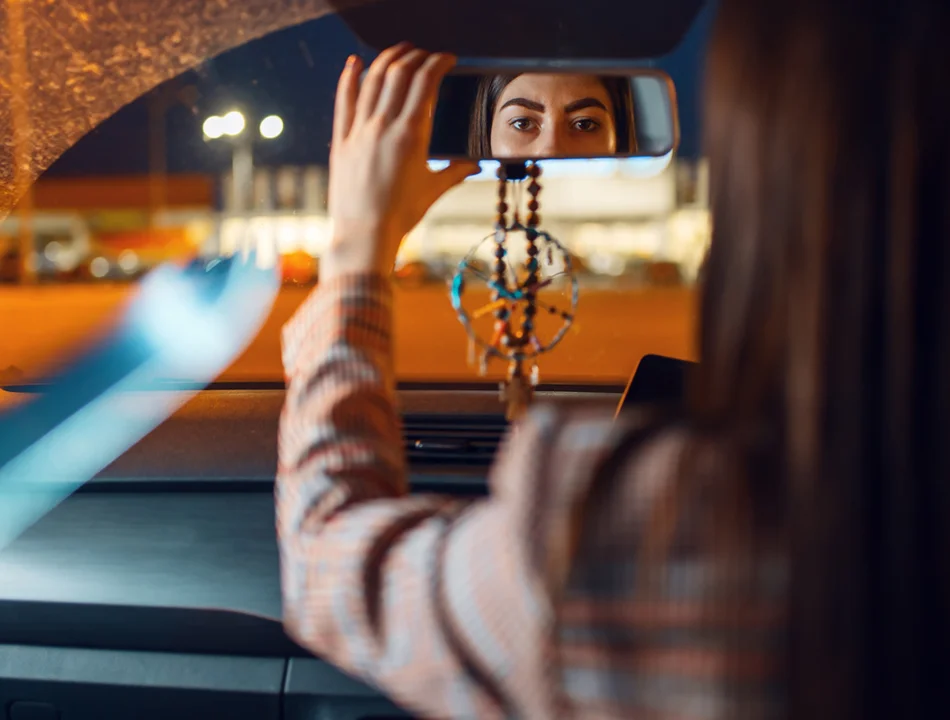
A simple technique used in personal safety and surveillance detection is the three-turn test. Instead of continuing on your normal route, make three turns that don’t naturally lead to your destination.
One matching turn could be coincidence. Two might make you pay closer attention. If the same vehicle continues to mirror all three unusual turns, it becomes much more likely that it’s following your movements rather than simply travelling in the same direction.
The important thing is to stay calm, keep driving and avoid confronting the other driver.
Next Steps When You Think You Are Being Followed
If you believe a vehicle may be following you:
- Do not drive home.
- Avoid stopping in isolated areas.
- Head towards a busy public area, petrol station, or police station.
- Keep your doors locked.
- Contact someone you trust.
South African road safety organisation Arrive Alive recommends taking precautions when driving alone, including planning your route, staying alert, and avoiding situations where you may be isolated.
You can also read our guide on safety tips for women driving alone in South Africa for more practical advice.
Staying Calm Helps You Stay In Control
You cannot always control what happens around you, but you can prepare yourself for how you respond.
Consciously loosen your body by unclenching your jaw and dropping your shoulders.
A simple breathing technique can help bring your focus back. Breathe in slowly for four seconds, hold for four, breathe out for four, then hold again for four before repeating. It only takes a minute or two, but slowing your breathing helps settle your body’s stress response and makes it easier to think clearly.
Speak to yourself out loud as you form your game plan. It activates the logical part of your brain and breaks the cycle of panic. Speak firmly and clearly. Say, “I am turning into that well-lit petrol station ahead.” Or, “I am activating MyPanic on my phone. Armed response will meet me.”
Don’t Panic – Use MyPanic
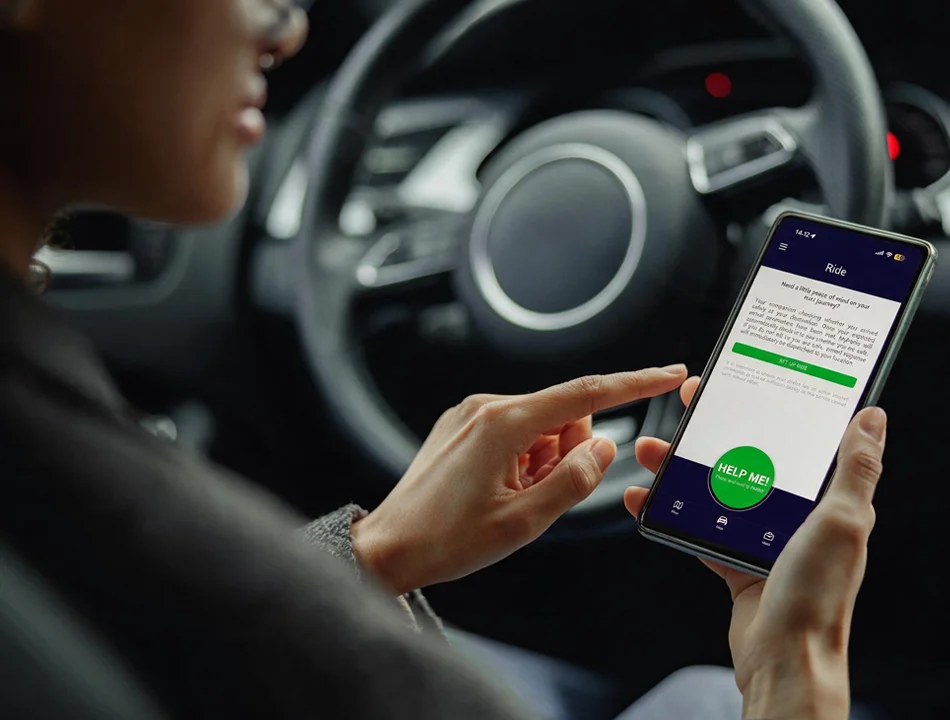
Beame’s MyPanic gives you another layer of support as a standalone personal safety app. One tap can request armed response or medical assistance anywhere in the country.
You don’t have to be a Beame customer to subscribe to MyPanic. The service includes new Ride and Meet features.
With Ride, you can log your journey and expected travel time. MyPanic monitors your trip in the background and steps in if your trip exceeds the expected duration or if you stop responding.
Consider MyPanic for the confidence of knowing help is only a tap away.

Where to from here?
If you’re looking for even more empowerment, we’ve got your recommended reading simply sorted.
- Exposed to Empowered: Situational Awareness Driving Tips for Confident Women Drivers
- From Vulnerable to Victorious Vigilance: Driving Safety Tips for Women That Build Confidence